The Regular Clothes That Secretly Work Through Most of Pregnancy
Quick Answer: Stretchy high-waisted leggings worn under the bump, flowy and empire-waist dresses, oversized button-downs and knits, long cardigans, ribbed midi dresses, and elastic-waist wide-leg pants all serve deep into pregnancy straight from your existing closet. What genuinely earns the maternity purchase: jeans, bras as sizes shift, and supportive activewear for the later months. Style the loose pieces with one fitted element and the whole thing reads intentional rather than improvised - and buy anything new with the postpartum months in mind, because the window is longer than the bump.
The pregnancy-wardrobe panic purchase - seven maternity everythings in week eleven - is a rite nobody needs. The bump changes on a schedule, your closet already contains more of the answer than the maternity aisle admits, and the trick is knowing which hangers to trust.

Why does skipping maternity-everything make sense?
The window is short and moving. Dedicated maternity pieces bought early often fit their best for a couple of months mid-pregnancy and then get outgrown or out-seasoned - a summer maternity dress bought in March meets an October due date with a shrug. Every regular-closet piece that stretches across trimesters is money and decision energy saved for the few purchases that genuinely earn it.
Regular clothes often fit better at the edges of pregnancy. Early on, maternity cuts swim on a barely-there bump; late postpartum, you are between all sizes with a changed shape. The flowy dress and the oversized shirt serve both edges, which doubles their season while the panel jeans sit in a drawer waiting for a six-week window.
And the styling stakes are real: clothes that fit by accident read as improvised, which chips at exactly the confidence a changing body wants supported. Clothes chosen for how they accommodate - drape that skims the bump, a knit that ribs its way over it - read as style. The difference is rarely money; it is knowing which silhouettes were secretly maternity-compatible all along.
The honest frame: pregnancy dressing is a nine-plus-month logistics project with a small required-equipment list and a large already-owned list. Sorting the two before shopping is the entire strategy.
Which regular pieces actually go the distance?
Leggings, worn under the bump. Soft, high-waisted, in a forgiving knit - folded or settled below the belly, buttery-soft leggings carry many women deep into the third trimester, and yoga pants with a wide soft waistband do the same. The fabric matters more than the label: substantial stretch with real recovery beats thin compression that digs.
Flowy, empire, and trapeze dresses. Anything cut loose from the ribcage down was designed for a bump without knowing it. The sundresses of this hot August are doing maternity duty across the country right now.
Ribbed and stretchy midi dresses. The sleeper hit - rib knits expand and recover beautifully, hug the bump on purpose, and photograph like a deliberate maternity purchase at a regular-dress price.
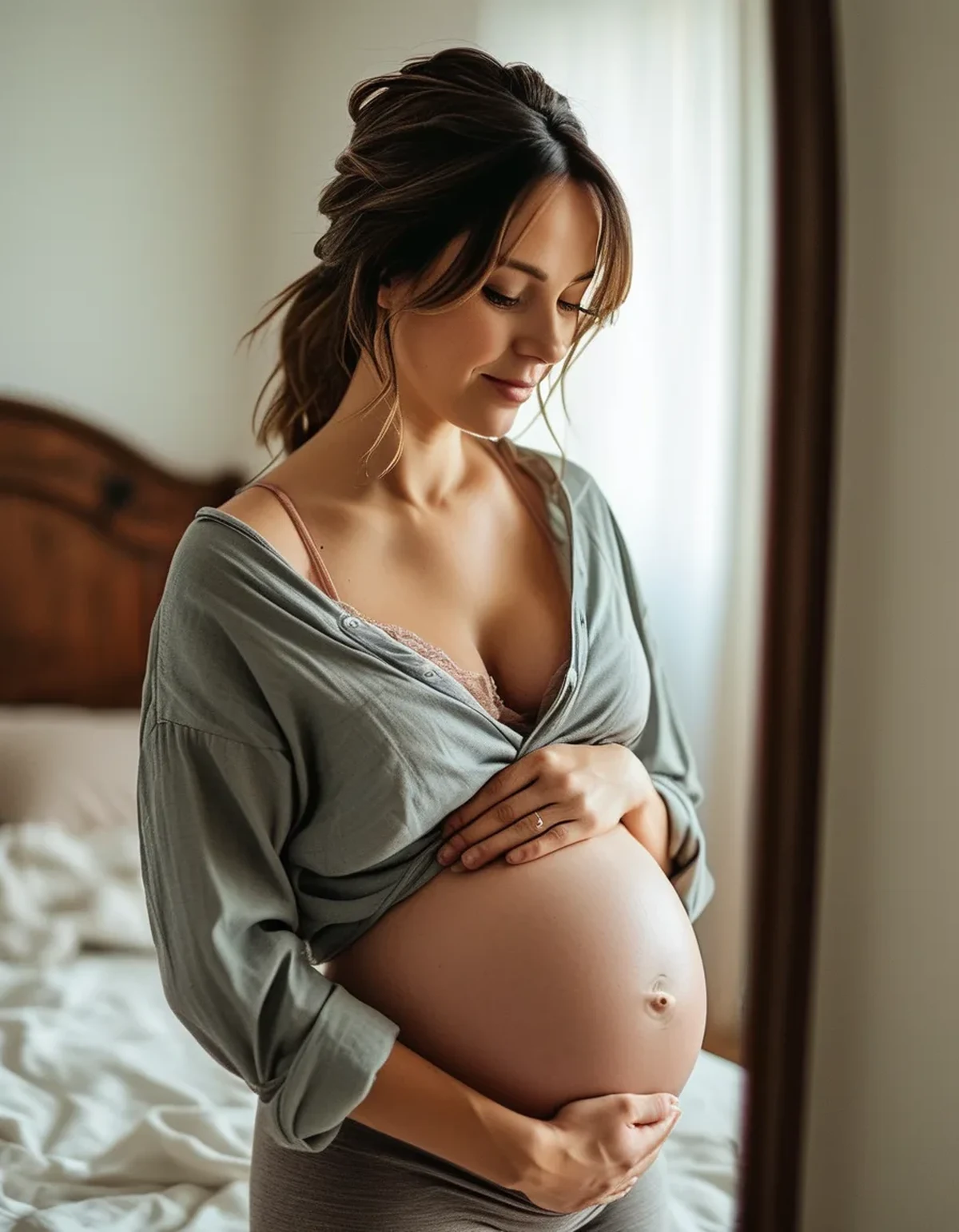
Oversized button-downs and boyfriend shirts. Open over a tank mid-pregnancy, buttoned high with the bump proud early on, and postpartum they convert to easy nursing access. The single most versatile shirt category of the whole project.
Long cardigans, dusters, and open layers. They frame the bump instead of fighting it and scale through every month - the fall answer to the question the sundress answered in August.
Elastic and drawstring wide-leg pants, worn under-bump like the leggings.
And from the partner’s closet or your own oversized shelf: big tees and sweatshirts, which cover the lounging hours that pregnancy multiplies. Knits stretch; wovens do not - that one fabric rule predicts almost every hit and miss above.
What genuinely needs the maternity version?
Jeans and structured pants - first and fastest. Woven denim has no give at the waistband, and the workarounds (hair-tie button extensions, unbuttoned-with-a-belly-band) buy weeks, not months. If jeans are your uniform, one good pair of maternity jeans in your true style earns daily wear for half a year; if leggings can be the uniform instead, the purchase is skippable.
Bras, repeatedly. Band and cup sizes both move - often early and then again later - and an ill-fitting bra is an all-day tax no oversized shirt fixes. Non-wired styles with wide bands and stretch cups accommodate change best, and buying with nursing access in mind makes the same purchase serve the next year too.
Supportive activewear for the later months. Regular leggings under the bump work for walks; once impact or long sessions are involved, maternity activewear with real bump support - over-bump panels, supportive knit - stops being marketing and starts being comfort. The same applies to swim: a maternity or generously sized one-piece beats negotiating with a bikini bottom that no longer negotiates.
Work wardrobes with hard dress codes. Structured office trousers and fitted sheath dresses are woven-fabric problems; two maternity work pieces on rotation beat five improvised near-misses.
Winter outerwear only if the math demands it: a coat that zips over a third-trimester bump in a cold-climate winter is real equipment - though the open-coat-and-long-scarf system carries many people through. Everything else on the maternity aisle deserves the question: is this solving a problem my closet already solved?
5 Mistakes Everyone Makes Dressing a Bump on a Budget
1. Buying the whole maternity wardrobe in the first trimester. The body at week 11 cannot predict the body at week 31, and half of early hauls end up wrong for the season or size they finally meet. Buy in small waves as needs actually arrive.
2. Sizing up in structured wovens. Two sizes up in a fitted woven shirt fits the bump and bags everywhere else - shoulders, sleeves, hem - which is the exact silhouette that reads improvised. Size up in knits, which drape; go oversized-by-design in wovens.
3. Ignoring the postpartum window while shopping. The months after birth involve a changing body, possible nursing access needs, and zero appetite for a third wardrobe. Button-downs, wrap styles, stretchy midis, and the under-bump leggings all serve straight through - buying with that lens doubles every purchase.
4. Treating the belly band as optional. The stretchy tube that bridges an unbuttoned waistband extends regular pants for months and smooths every under-bump waistband. It is the cheapest, hardest-working item in the entire category.
5. Saving the good clothes for after. Wearing the sad rotation for months while the nice things wait is a mood decision disguised as practicality. The oversized good shirt, the favorite dress that still drapes - wear them now. Feeling like yourself is the actual point of the whole exercise.
FAQ: Non-Maternity Pregnancy Wardrobe Questions, Answered
Can I wear regular leggings throughout pregnancy?
Most women can, worn under the bump, deep into the third trimester - soft high-waisted styles with real stretch work best. Switch to maternity versions if digging, rolling, or lack of support shows up, especially for exercise.
Do I really need maternity jeans?
Only if jeans are your daily uniform. Extenders and belly bands bridge the first months; after that it is one good maternity pair or a pivot to leggings and soft pants. Structured denim is the least forgiving item in the closet.
What regular dresses work best for pregnancy?
Empire waists, trapeze and swing cuts, wrap styles, and stretchy ribbed midis - anything loose from the ribcage or built from recovering knit. Fitted woven sheaths are the category that genuinely stops working.
How do I look put-together in loose clothes while pregnant?
One fitted or defined element per outfit: a front-tuck into the under-bump waistband, a fitted tank under the open shirt, a long cardigan framing a ribbed dress. Volume everywhere reads borrowed; volume with one anchor reads styled.
TL;DR:
- The closet already covers most of it: under-bump leggings, flowy and ribbed dresses, oversized shirts, long cardigans, elastic wide-legs.
- The true maternity list is short: jeans if they are your uniform, bras as sizes move, supportive activewear later, hard-dress-code work pieces.
- Knits stretch, wovens do not - that one rule predicts nearly every win; a belly band extends everything else.
- Buy in waves, shop with the postpartum months in mind, and anchor loose outfits with one fitted element.
The bump needs less new fabric than the maternity aisle suggests and more strategy than panic-shopping provides. Trust the stretchy half of the closet, buy the short list when it actually calls, and spend the difference on something that is not a wardrobe at all.
See It in Motion
Seen here: Maternity Capris with Side Pockets — shop it on bubblelime.com
Keep Reading
This article is for general informational and styling purposes only. Fit, sizing, and product availability may vary.